
- AI Content Case Study
- Industries Benefiting The Most from AI Content
- How AI Content Tools Boost Business Growth
- Dig Into: Real-World AI Content Success Stories
- Getting Started with AI Content Without the Headache
- Challenges and Solutions When Using AI Content
- Practical Applications Beyond Blog Posts
- Frequently Asked Questions
- What AI Content Success Teaches Us
AI Content Case Study
AI-powered content creation is proliferating across blog articles, product descriptions, customer service, and creative storytelling. People across industries are seeing real gains by integrating AI into their content workflows. I’ve dug into real-world examples that show how businesses and individuals have improved their work using AI content tools. Honestly, some of the results are pretty next-level cool.
Industries Benefiting The Most from AI Content
It’s easy to see why AI content is catching on. Content marketers, e-commerce shops, entrepreneurs, and educators are using AI to save time, boost engagement, and scale their efforts. A few sectors stand out:
- Marketing & SEO: Quick blog generation, keyword optimization, and content ideas at scale.
- E-commerce: Automated product descriptions, category pages, and reviews.
- Customer Support: AI chatbots handling FAQs and improving response speed.
- Education: Custom learning materials, quizzes, and summaries generated for teachers and students.
- Media & Publishing: Drafting news updates and summarizing research quickly.
How AI Content Tools Boost Business Growth
Once I started following AI content case studies, a pattern became clear. Real improvements in traffic, engagement, and conversion rates were common. Here are a few practical examples that show how teams are getting more from their content by shifting some of the load to AI without removing the human element from the process.
- Scaling Blog Output: An outdoor gear retailer doubled its publishing frequency using an AI writing assistant. They provided the AI with outlines, edited the outputs, and saw traffic rise by 25% over six months.
- Revamping Old Content: A SaaS company used AI to update hundreds of outdated blog posts. That fresh content helped them reclaim search rankings they’d lost, as tracked by tools like Google Analytics.
- Personalized Product Descriptions: A fashion store integrated an AI tool that generated slightly different descriptions for every product based on audience segments. This actually increased average time on site by about a third.

Dig Into: Real-World AI Content Success Stories
To be more specific, I want to highlight a few case studies that demonstrate what’s possible when AI is applied to content creation. I’m not just talking about a single fluke; these are repeatable strategies that any business or solo creator can use.
Affiliate Marketing: Making Sales on Autopilot
VitaliyG from Wealthy Affiliate shared how he used AI tools to drive 80 sales and earn over $600 almost automatically. He combined keyword-targeted blog posts with AI-generated content, optimizing each for SEO while ensuring readability and trustworthiness. His big point: AI didn’t do all the work. He still directed traffic through research, sharing, and strategic linking. The AI has freed him to scale much faster. (See full case study here)
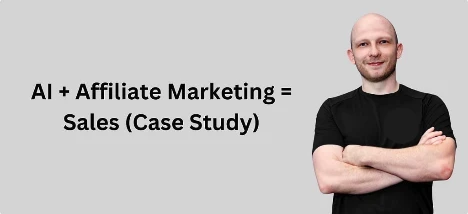
(Click to view the vlog 4 Min Video)
Publishing Fast and Frequently: Newsletters and Blogging
A solo entrepreneur who runs a travel newsletter used AI to summarize lengthy research articles, write first drafts, and brainstorm headlines. With this approach, they released two newsletters per week, up from one, while maintaining high engagement and freeing up hours each week to focus on social channels and travel partnerships.
E-commerce Boom: Automating Product Descriptions
A homedécor brand with thousands of SKUs switched to AI-generated product copy. The AI tool handled SEO keywords and varied language just enough to make each product page feel unique. Web traffic and sales went up, and their marketing team finally had time to launch paid ad campaigns now that writing wasn’t eating up all their hours.
Getting Started with AI Content Without the Headache
Jumping into AI for content doesn’t have to be intimidating. Here are a few tips based on what I’ve picked up from the most successful case studies out there:
- Pick the Right Tool: Not all tools are created equal. Some specialize in short-form content (such as ads), while others are better suited to long-form articles or e-commerce descriptions.
- Guide the AI: Detailed prompts and clear guidance mean you get better outputs, which cuts down on editing time later on.
- Mix AI and Human Editing: The best results happen when a human editor reviews, tweaks, and customizes what the AI produces. Quality control ensures readability and trustworthiness.
- Recycle and Repurpose Content: AI is powerful for turning blog posts into social snippets, FAQs, product copy, and emails. You get more mileage from every piece you create.
Challenges and Solutions When Using AI Content
Even though AI can be a huge help, it’s not a set-and-forget solution. Some common headaches pop up:
- Originality Concerns: The content may sound repetitive or generic. Taking time to personalize with brand voice or expert insights solves this issue.
- Accuracy: AI sometimes invents facts. Fact-checking is non-negotiable for any important content.
- SEO Nuances: AI-generated content won’t automatically rank. Knowing how to manually optimize and add internal links remains important.
- Ethics & Transparency: Some brands are now clearly disclosing when AI was used to create content, which helps maintain trust with their audience.
Originality and Personal Touch
One marketing agency found that blending AI-generated drafts with their in-house writers’ personal anecdotes and data drove significantly more shares and comments on their blog. Keeping things authentic boosted both reach and relationships with regular readers.
Accuracy Matters
A health website that adopted AI had to develop a custom fact-checking process for every AI-generated article. They put a medical reviewer in the loop and set up a citation and reference system, ensuring readers received trustworthy information rather than just fast output.
SEO and Optimization
An education startup used AI to generate textbook summaries but always had a content manager review for keyword usage, add links, and tweak headers. This hands-on process was what actually helped those summaries appear higher in organic search results.
Practical Applications Beyond Blog Posts
Businesses and creators aren’t just using AI for articles. Here are a few creative cases that might spark some fresh ideas:
- Video Scripts: AI helped a financial advisor generate talking points and scripts for YouTube updates, saving hours of prep time.
- Email Outreach: An indie SaaS company used AI to draft customized cold emails, accelerating outreach and driving a 20% increase in replies.
- Chatbots and Support Docs: Online shops now use AI to draft help center FAQs and chat responses, improving customer satisfaction and reducing support wait times.
Frequently Asked Questions
Here are some of the most common questions that pop up as more people check out AI-driven content strategies:
Q: Can AI replace human writers entirely?
A: AI is great for drafting and brainstorming, but human insight, creativity, and careful editing still make the difference between “just OK” content and something valuable.
Q: Does Google penalize AI-generated content?
A: As of now, Google cares most about quality and value. If AI content is edited for accuracy, originality, and expertise, it’s treated just like any other content.
Q: What’s the fastest way to get started with AI content?
A: Pick a single workflow (blog posts, product descriptions, or newsletters), get a reputable AI writing tool, create detailed prompts, and edit the outputs before publishing.
Q: How do businesses keep AI content unique and on brand?
A: Personalize outputs, include real stories or examples, and always run a final review to ensure content matches your tone and values.
What AI Content Success Teaches Us
These success stories show that AI can open new doors for content creators. It helps folks work smarter, not harder. While it won’t replace humans anytime soon, using AI as a support tool frees up time, sparks new ideas, and lets people focus on what really matters for their brand. There’s a real advantage to learning how AI fits into your process. Whether you’re running a massive e-commerce shop or just starting out with a personal blog, mastering these tools could be a game-changer for your workflow and results.
Ready to See If Wealthy Affiliate Is Right for You?
I joined Wealthy Affiliate to find out if it was real. A year later, I’m still here building my business every day. You don’t have to take my word for it when you can try it yourself. Claim your free account & unlock $100+ in AI tools
Join Wealthy Affiliate TodayFree to get started. No credit card required.