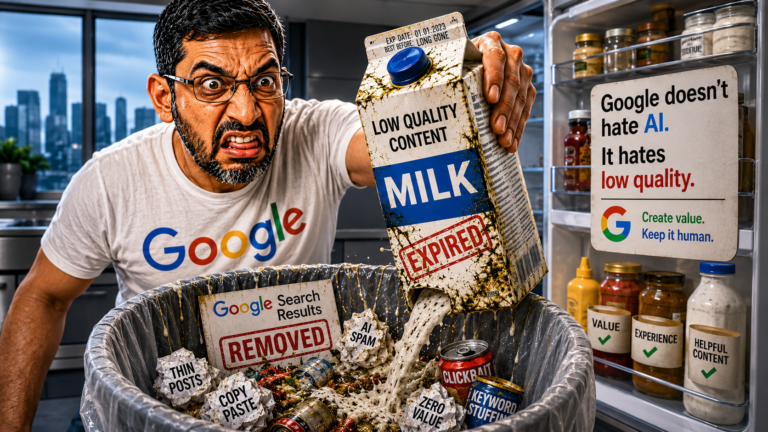
Key Takeaway: AI won’t replace real creators, but it’ll expose the ones who fake it. Use tools like Wealthy Affiliate’s AI Writer or Rightblogger to speed up your work, but always add your story, your experience, and your voice.
Using AI for Blog Posts
When I first started testing AI tools for writing, I thought it’d be a shortcut. Turns out, it’s more like a mirror. It shows you what you actually know, and what you’re just pretending to know.
AI won’t kill affiliate marketing. But it will expose who’s faking it.
My Experience
I’ve used just about every AI writer out there. Some good, some garbage, most somewhere in between. At first, I told myself I could let AI “handle the writing” while I focused on strategy. What I got was a pile of lifeless posts that all sounded the same.
They were clean, sure. Structured. Even keyword-friendly. But they had no pulse. They were missing a part of me.
What changed everything was when I stopped treating AI like a replacement and started treating it like an assistant. I began using it the same way a good editor would, to clean up drafts, expand ideas, and organize my thoughts. The more me I put into it, the better the articles and rankings got.
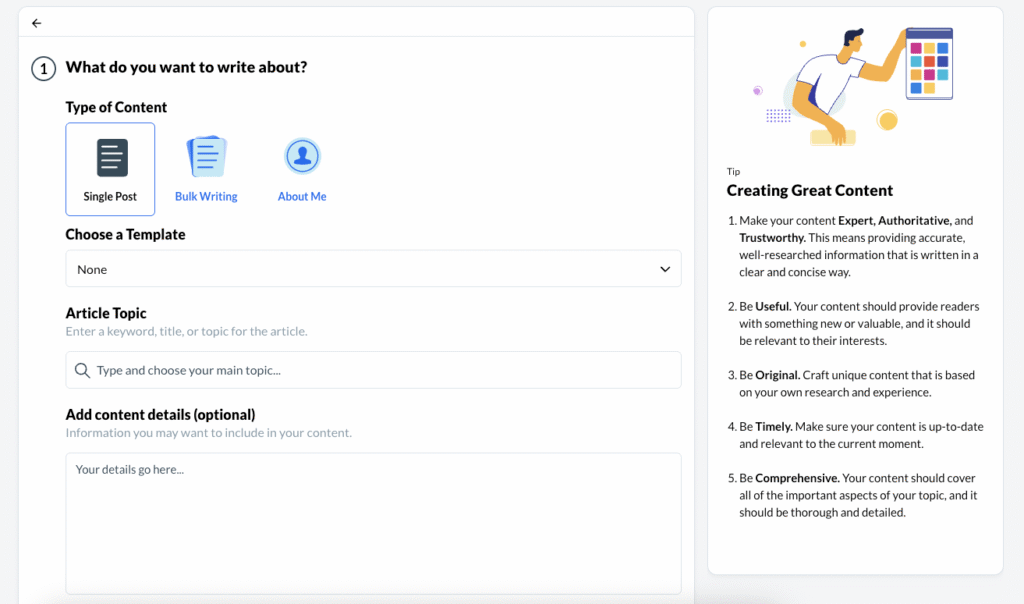
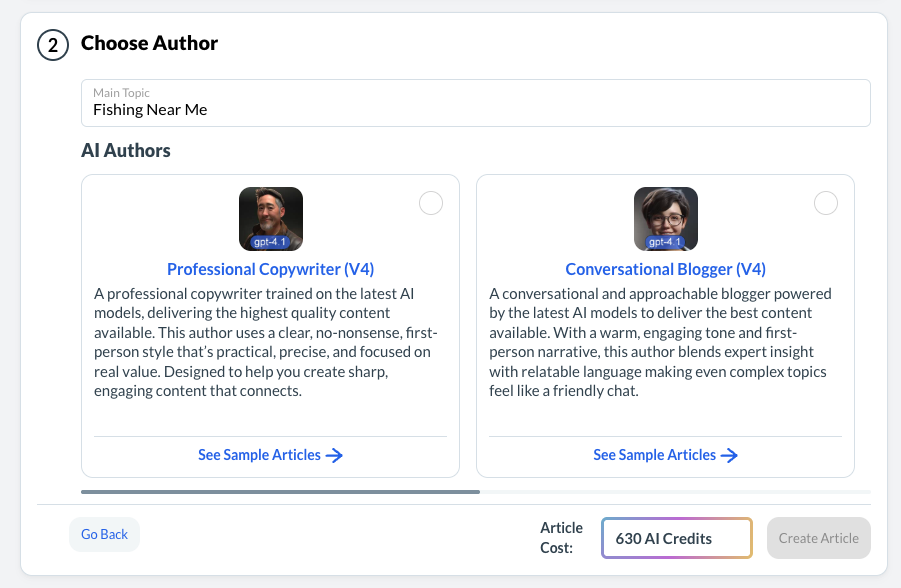
Now, I start every post inside Wealthy Affiliate’s AI Writer. It helps me structure the piece fast, the outline, intro, and sections, done. But then I rewrite it in my own words. I add my examples, my tone, my story. That’s the difference between another AI article and something people actually remember.
Another great option is RightBlogger. You can check it out and try it for free below.
Creator’s Toolbox
80+ AI-Powered Blogging Tools
Here’s every tool inside RightBlogger, built to help you create content faster and more effectively. New tools are added all the time.
See the ToolsRead the RightBlogger Review Here
The Lesson
Sure, AI can write words. You are the one who gives them meaning.
If you just copy what an AI gives you, you’ll blend into the noise and rewashed crap everyone else is posting. But if you guide it with your voice and experience, you’ll stand out.
Think of AI as the scaffolding, not the building. It gets you started. It speeds up the boring parts. It gives you structure. But it’s your story, your insight, that keeps people reading.
The future of blogging isn’t about who can publish the most. It’s about who can connect the most.
How You Can Apply It
If you’re just getting started, here’s how to make AI your creative partner instead of your crutch:
- Start with a clear idea. Don’t ask AI “what to write.” Know your topic and your goal first.
- Use Wealthy Affiliate’s AI Writer to build your outline. Let it handle the structure so you can focus on the story.
- Edit like a human. Rewrite every AI-generated paragraph in your own words. Add your examples. Inject your tone.
- Fact-check everything. AI becomes confident, but it occasionally gets it wrong. Always verify.
- Add experience. Mention what worked for you, what didn’t, and what you’d do differently. That’s where trust is built.
You don’t need to outwrite the machines. You just need to out-experience them.
Closing
AI isn’t your enemy. It’s your amplifier.
Use it to think faster, write more clearly, and publish consistently, but never let it speak for you.
Ready to build your business with real stories and smart tools?
Join me inside Wealthy Affiliate — the same platform I use every day to create, grow, and scale what’s real.
Ready to See If Wealthy Affiliate Is Right for You?
I joined Wealthy Affiliate to find out if it was real. A year later, I’m still here building my business every day. You don’t have to take my word for it when you can try it yourself. Claim your free account & unlock $100+ in AI tools
Join Wealthy Affiliate TodayFree to get started. No credit card required.
Smart FAQ: A Beginner’s Guide to Using AI for Blog Posts
Clear answers. Real use. No fluff.
What’s the right way to use AI for blogging?
Use AI to plan, outline, and draft. Then rewrite in your voice.
Add your stories, results, and opinions. Edit for clarity and flow.
Treat AI like an assistant. Not a ghostwriter.
Will AI replace real bloggers?
No. It speeds up structure and ideas.
Readers come for lived experience and clear opinions.
AI exposes thin content. It does not replace creators who show their work.
Is it OK to use Wealthy Affiliate’s AI Writer or RightBlogger?
Yes. Wealthy Affiliate’s AI Writer helps with outlines, intros, and sections.
RightBlogger offers 80+ tools for faster ideas and drafts.
Use them to save time. Then personalize heavily.
How do I keep AI content from sounding generic?
Start with a strong brief. Include your angle, audience, and goal.
Inject your story and examples.
Replace vague claims with numbers, timelines, tools you used, and lessons.
What does a simple workflow look like?
- Define the topic, target reader, and goal.
- Generate an outline in Wealthy Affiliate’s AI Writer.
- Draft sections with AI, one at a time.
- Rewrite in your voice. Add examples and data.
- Fact-check. Add links. Polish headlines.
- Run a plagiarism check. Publish. Update later.
What prompts work best for outlines and drafts?
- “Create a 7-section outline for [topic], audience is [who], goal is [what], tone is [how].”
- “Draft a 150-word intro that hooks with [pain point], promise [outcome], set expectations.”
- “List 5 common mistakes and solutions for [topic], include one personal-note placeholder.”
Will Google penalize AI content?
Google rewards helpful, original content. Tool does not matter.
Show E-E-A-T. Share experience, expertise, author identity, and strong sources.
Thin or inaccurate posts lose. Human or AI.
Should I disclose AI use?
Disclose when it matters for trust or policy.
If AI created media that could confuse readers, say so.
For affiliate content, follow FTC rules on material connections.
How do I add E-E-A-T with AI involved?
- Share what you tried, tools, steps, results, wins, and failures.
- Include photos, screenshots, or data you produced.
- Cite credible sources. Explain how you applied them.
- Show a real author profile and contact info.
How do I avoid AI hallucinations and errors?
Ask AI for structure. Not facts.
Verify claims with primary sources.
Keep key stats and names in a trusted notes file.
If you cannot verify it, cut it.
What’s the best way to fact-check fast?
Cross-check key facts against two reliable sources.
Use original studies or official docs when possible.
Quote numbers with dates. Link sources you read.
Is AI content original or at risk of plagiarism?
AI can remix common phrasing.
Run a plagiarism check. Rewrite anything too close to a source.
Add citations when you rely on a study or quote.
Can I copyright AI-assisted posts?
In the U.S., copyright covers your human-authored parts.
Add real creative input. Structure, wording, and selection.
Pure machine text may not be protected.
How do I keep my voice consistent with AI?
Create a short style guide. Note sentence length, tone, and banned phrases.
Feed it to the tool with every prompt.
Do a final pass. Read aloud.
What metrics tell me AI is helping?
- Time to outline and draft
- Publish frequency without quality loss
- Rankings and clicks for target pages
- Reader engagement, comments, shares
- Email replies or conversions tied to those posts
How much AI text should I keep?
Use it for bones. Not the heart.
Keep structure and some transitions.
Replace most body text with your words and examples.
Aim for a post only you could write.
Can AI help with SEO without sounding robotic?
Yes. Let AI suggest keywords, questions, and subheads.
Then write answers like a human.
Prioritize clarity, intent, and usefulness. Skip stuffing.
What about AI detection tools?
They are unreliable and flag false positives.
Focus on authenticity, citations, and personal detail.
Human quality checks beat detector screenshots.
How do I use AI for affiliate posts without losing trust?
Tell readers what you actually used and how you tested it.
Share where it failed. Add original photos or screen grabs.
Compare fewer products. Give clear picks. Explain who each pick fits.