Why Emergency Funds Matter
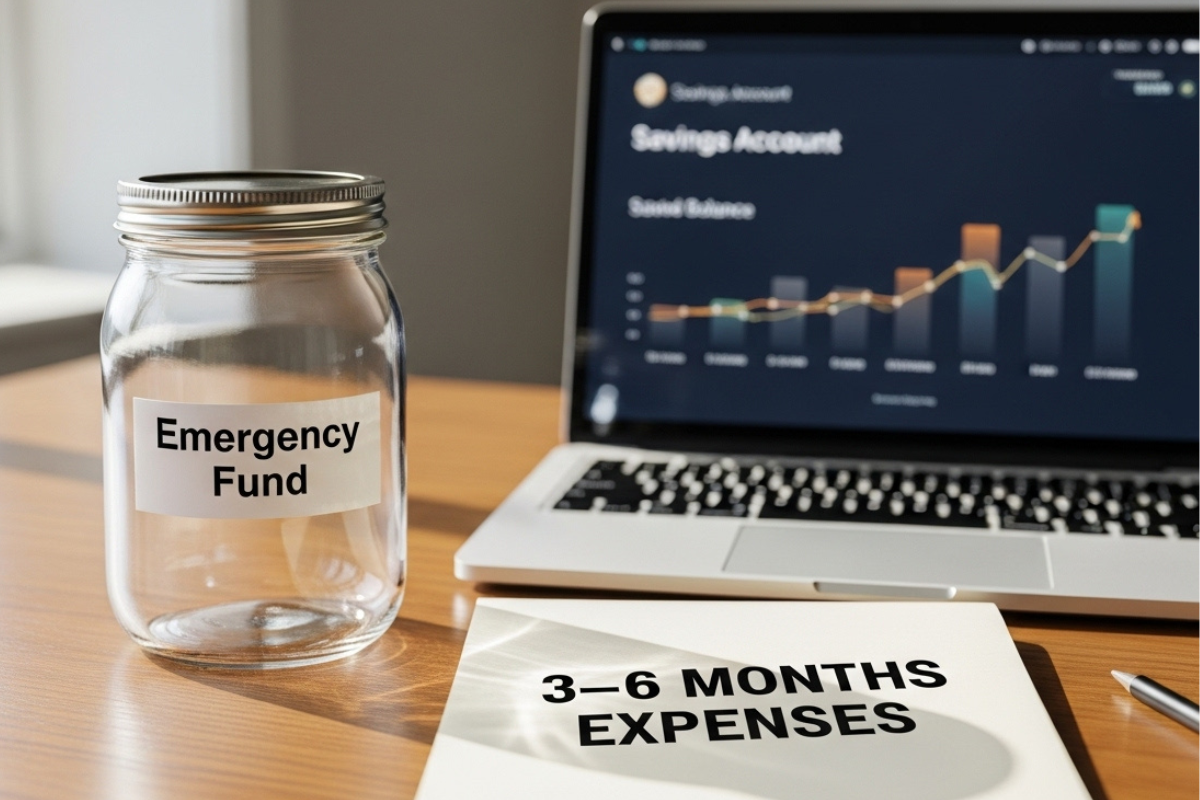
An emergency fund is your safety net. It’s cash set aside for the things you don’t plan for like car repairs, a medical bill, or losing hours at work. The point is simple: stop debt from taking over when life throws a curveball.
I’ve been there. Without savings, you lean on credit cards, and the stress builds fast. With even a small reserve, you get to make choices from a place of control, not desperation.
I started with $20 from each paycheck. At first, it felt useless. But soon I had a few hundred dollars set aside. That money saved me from putting a dental bill on my credit card. A little bit, done consistently, goes further than you think.
How Much to Save
People always ask, “What’s the right amount?” The standard advice is three to six months of expenses. Think rent, groceries, utilities, transportation, and insurance.
- Three months is fine if your job is steady.
- Six months or more is better if you’re self-employed, work in an unstable industry, or rely on variable income.
Don’t let those numbers scare you. Start with $500 or $1,000. Even that cushion will change the way you handle surprises.
How to Build Your Fund
Getting started is the hardest part, especially if money’s already tight. Here’s what worked for me:
- Use a separate savings account. High-yield online accounts work well.
- Automate small deposits. Even $10 a week builds momentum.
- Redirect windfalls. Tax refunds, side hustle money, or random gifts go straight into savings.
- Trim one expense. Skip takeout or cut a subscription, then move that money over.
- Celebrate milestones. Every $100 added is progress worth noticing.
For me, automating the small deposits was the game-changer. Watching the balance grow—even slowly—kept me motivated.
Common Roadblocks
Let’s be real. Saving isn’t always easy.
- Low income: Save something most months, even if it’s small. Sell stuff, pick up a side gig, or push extra dollars into your fund.
- Competing goals: Debt and retirement matter too. Start with a mini emergency fund, then switch focus back and forth.
- Constant setbacks: That’s normal. The fund is meant to be used. Just refill it when you can.
- Spending temptation: Keep your savings out of reach and have no debit card attached.
I’ve lived paycheck to paycheck. Some months I saved two bucks, others twenty. Progress is progress. Don’t compare your pace to anyone else’s.
Why It Matters Beyond Emergencies
This isn’t just about handling bills. An emergency fund gives you breathing room for bigger moves.
When I built mine, I had the confidence to start side hustles and eventually dive into affiliate marketing. Without that cushion, I never would’ve taken the risk. That’s why I push communities like Wealthy Affiliate. It’s easier to learn and experiment when you know a flat tire won’t wreck your finances.
A fund also protects your investments. You won’t feel forced to pull money out of stocks or retirement accounts just because of an unexpected bill.
Everyday Benefits
An emergency fund gives you:
- Lower stress. You sleep better knowing it’s there.
- Freedom from payday loans and high-interest credit cards.
- Protection for the progress you’ve made on debt or investing.
- Courage to take chances like career changes, school, or starting a business.
The first time I paid for a car repair with cash instead of a credit card, I felt relief like never before. That moment alone made every dollar saved worth it.
Emergency Fund FAQ
Where should I keep my emergency fund?
Use a high-yield savings account separate from checking. Keep it safe, liquid, and out of the market.
Should I build an emergency fund or pay off debt first?
Start with $500–$1,000 while paying minimums. Then attack debt. After that, grow the fund to 3–6 months.
Should I invest my emergency fund?
No. Keep it in cash or a savings account. Avoid volatility and withdrawal delays.
Can I use my emergency fund for planned expenses?
No. Use it for real surprises only. Create separate sinking funds for travel, annual bills, and car maintenance.
Take the First Step
The hardest part is getting started. Pick one small step today: open the account, set up a transfer, or cut one expense.
I built my emergency fund one deposit at a time, and it changed the way I looked at money. You can do the same.
Ready to build more than just savings? Join me inside Wealthy Affiliate—the same platform I use every day. That extra income can help grow your fund faster and give you the freedom to chase bigger goals.

Ready to build your own business?
Join me inside Wealthy Affiliate — the same platform I use every day.
- Start free. No credit card needed.
- Test-drive the Starter program now.
- AI tools, step-by-step training, and fast hosting.
- Supportive community with mentors and live help.
- Free 5-part video series to get moving.
- $10 in AI credits to try real tasks.
You can upgrade anytime. Keep your progress and your site.