
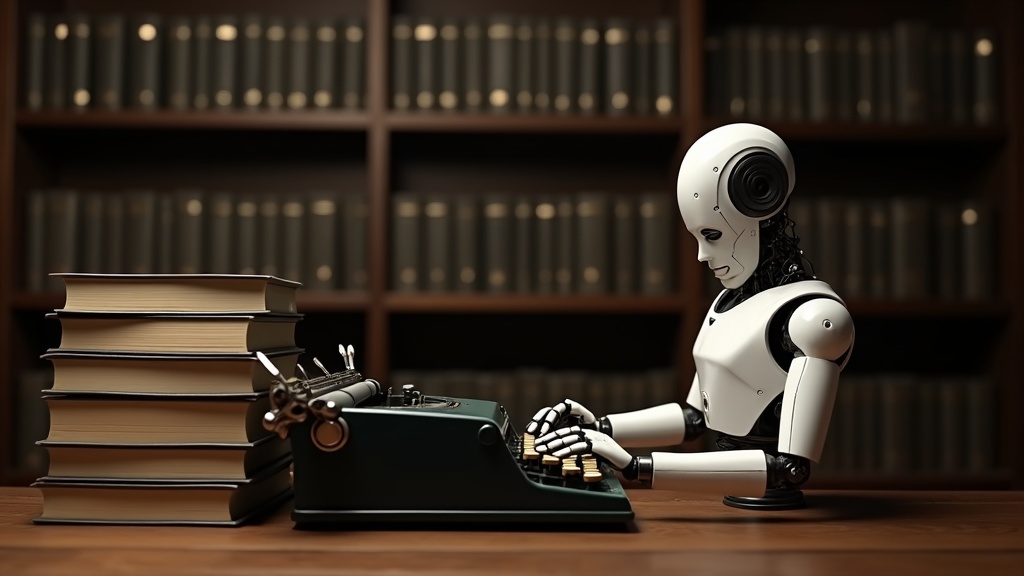
Key Takeaway: In 2025, AI-generated content is rarely protected by copyright unless humans play a significant creative role in its creation. Always document your input, review the platform’s terms, and combine human effort with AI output to secure ownership.
If you’ve played around with AI tools to write blog posts, generate images, or whip up some code, you’ve probably wondered: Who actually owns that content? Does copyright protect AI-generated content, or is it kind of up for grabs? That’s something I’ve tried to clarify for myself, especially since the rules seem to be constantly changing as technology advances.
- Understanding Copyright Basics for AI Content
- Who Actually Owns AI-Generated Content?
- AI Copyright Laws 2025: Where Things Stand Right Now
- Common Scenarios with AI Content and Copyright Protection
- Best Practices for AI Content Copyright
- Pitfalls, Loopholes, and Gray Areas
- Frequently Asked Questions
- What the Future Looks Like
Understanding Copyright Basics for AI Content
Copyright is supposed to protect original works of authorship. This usually means anything you write, draw, film, or otherwise create with your own effort gets some automatic legal protection. But what happens when a machine does the creating? That’s where things get complicated.
AI-generated content copyright questions have begun to emerge in courts and policy discussions worldwide. Most legal systems, at least for now, require a human element for copyright protection to take effect. The logic is that creativity needs to come from a person, not a piece of code, even if the code spits out a haiku that sounds oddly like you wrote it.
Even as recently as 2025, AI copyright laws in the US, UK, and EU have stuck to this human-creator standard. Copyright is meant for works created by people. AI tools can assist, sure, but if they’re doing all the creative work with no meaningful human input, copyright usually doesn’t apply. It’s critical to note that many creative professionals expect AI’s capabilities to continue growing rapidly. Still, so far, the fundamental legal rule has remained firmly on the side of human creativity.
Who Actually Owns AI-Generated Content?
This is the part that sometimes confuses me. Who holds the rights when no individual did the actual writing, drawing, or composing? AI content ownership rights usually depend on the circumstances:
- Pure AI Generation: If you enter a simple prompt and the AI tool spits out a blog post, the resulting work often isn’t protected by copyright at all. Courts have ruled that copyright only attaches if there’s a genuine human author behind the work.
- Human Guided AI: If a person shapes, edits, or meaningfully tweaks what the AI produces, for example, if you heavily rewrite the text or rearrange code so it becomes more original, then your contributions might be protected, but probably not the AI’s content itself.
- Employer or Platform Involvement: Sometimes, platforms or employers claim ownership rights to the output of their AI tools. Always check the terms of service. I admit that I sometimes skim those, but for AI-related content, it’s worth reading the fine print.
Ownership isn’t always as straightforward as, “I clicked generate, so I own it.” Even if you pay for access, the company running the AI platform may limit what you can do with the output, especially for commercial use. Ask yourself: are you using the platform for personal creativity, or are you hoping to scale up for business? The answer can change your legal standing.
AI Copyright Laws 2025: Where Things Stand Right Now
Legal experts have spent the last few years debating what constitutes copyrightable content when it comes to AI. There’s still no one-size-fits-all answer. Here’s what seems to be generally true in 2025:
- United States: The US Copyright Office has said right in its official guidelines that content made without a meaningful human author isn’t protected by copyright. They’ve rejected registration applications for both AI-generated art and text that were created with almost no human input.
- UK & EU: These regions also lean heavily toward human authorship as a requirement. The UK has an unusual rule that, for certain computer-generated works, the “person making the arrangements” may receive limited protection, but it is not comparable to traditional copyright.
- Other Countries: Lots of places are revisiting their laws. Some are considering giving AI its own category of protection, or baking in new exceptions, but globally, the story is much the same. No human, no copyright.
I think quite a few people just assume everything they generate with AI is automatically protected, but that’s not how things play out, at least not in 2025. It can feel unsettling, particularly if you’ve grown accustomed to copyright protection covering your work without requiring any action on your part. A common concern these days is whether AI will get its own legal status in the future, but for now, the focus is on human involvement.
Common Scenarios with AI Content and Copyright Protection
I’ve had a few unusual cases arise that help highlight the gray areas. For example:
- You use an AI art generator to create images, which you then print on T-shirts to sell. Unless you spent hours editing, arranging, or otherwise making the images uniquely yours, there’s probably no copyright stopping others from using the same pictures.
- You ask AI to draft a poem and then rewrite whole stanzas yourself, maybe borrowing just a few rhymes and a specific tone. Now, your version might be protected, but the base-generated poem probably isn’t.
- Your company trains a custom AI chatbot and has it produce manuals for internal use. Copyright on those manuals depends entirely on how much employees revise or guide the production process. If it’s mostly hands off, the copyright status is shaky.
It gets even more confusing when people remix or build on AI work created by others. If no one clearly owns the original, it’s tough to say who, if anyone, has enforceable rights later on. Some of this might change as new cases reach the courts, but ambiguity is the norm for now. Staying aware of who contributed creatively and who just pressed the button can help protect your interests down the road.
Best Practices for AI Content Copyright
If you’re hoping to secure your rights or simply play it safe, there are a few habits that I think really help. These are what I try to stick to, or at least what I encourage others to do:
- Document Your Process: Keep track of how much you revise or direct the AI to ensure accuracy and consistency. Save drafts, edits, and notes on your involvement. The more you can show your unique input, the easier it is to claim rights over the result if there’s ever a challenge. This type of documentation can offer peace of mind and serve as solid evidence if questions arise.
- Review Platform Terms: Before publishing or selling AI-generated content, read the terms of service for the tool you’re using. I know it’s dull, but those rules can bite you later, especially around commercial uses. You may find unexpected restrictions or caveats tucked away in the fine print.
- Mix Human and AI Effort: Combine your creativity with the AI’s contributions. Full-on human authorship makes copyright much clearer. AI, as a helper rather than a complete creator, keeps things safer from a legal standpoint. Consider making major stylistic edits, personalizing it, or restructuring the content provided by the AI before posting or selling it.
- Use Disclaimers When Sharing: If you’re posting work that relies heavily on AI, make that clear to your audience. Not only is this honest, but it can also avoid nasty surprises if someone claims you don’t actually own what you shared. In a community setting, this kind of transparency is becoming increasingly expected.
- Stay Updated: AI copyright laws 2025 and beyond are super likely to change again. Subscribe to legal newsletters, talk to other creators, or check reliable resources like the US Copyright Office’s AI guidance now and then. As rules continue to evolve, regular check-ins are crucial for protecting yourself and your work.
Pitfalls, Loopholes, and Gray Areas
Sometimes, it feels like everything with AI content exists in a legal gray area. That makes things tricky if you’re running a business or just want to keep your work safe. Here are a few things I keep a close eye on:
- Similar or Identical Outputs: AI tools can produce nearly identical results for different users. That means you and someone else might accidentally end up using the same blog intro or logo, and nobody would really own the copyright. That’s a headache if you want something exclusive. If you need more originality, invest time in tweaking AI output and combining several sources to make your content stand out.
- Third Party Training Data: If the AI was trained on copyrighted content without permission, such as old news articles or artwork, there’s a risk you could get dragged into a copyright fight even if your intent was innocent. Verify that your AI provider has obtained the necessary licenses for their training data, particularly before utilizing AI-generated content commercially.
- Open-source AI Models: Some AI models have strict license terms that require sharing any output under similar conditions. That could force you to make your content public or give credit in ways you didn’t expect. It pays to check and respect these requirements before distributing or monetizing your project.
- AI Content Commercialization: Utilizing AI-generated content in advertisements, products, or other commercial projects can attract additional scrutiny. If you work with clients, setting clear expectations early helps avoid ugly disputes. Written agreements about AI usage and attribution can prevent misunderstandings later.
I’ve seen a few folks assume no one will care about this stuff, only to have their project run into a snag. Better to double-check before investing time or money into commercializing what’s basically an orphan work from a copyright point of view. Being proactive and cautious can save you headaches and legal hassles down the line.
Frequently Asked Questions
Here are a few of the questions I get asked the most:
Not exactly. A lot of AI output isn’t protected by copyright if created without a person, but that doesn’t make it fully public domain. Some systems have license restrictions. Plus, a person’s tweaks or choices might be protected.
As of 2025, the U.S. Copyright Office generally rejects content entirely created by AI. If you created and shaped the work, you can try registering your parts; however, pure AI output is denied. Keeping evidence of your creative process definitely strengthens your case.
Often, yes. If there was little human involvement, it’s hard to claim ownership, which means anyone can use or remix the work. That’s why it’s essential to add your own flair.
Light edits are typically insufficient for copyright protection. The bigger your role, the better your claim, so it’s worth making significant creative changes. Aim to give your work a personal touch and unique perspective, not just minor tweaks.
What the Future Looks Like
It’s tough to say exactly where things are headed. I keep an eye on new lawsuits and policy updates, but the basic principles haven’t changed much: human creativity matters, and AI alone just doesn’t tick the boxes for copyright protection, at least not yet. With many governments reviewing how to handle AI, I expect new rules to emerge over the coming years. In the meantime, new legal battles and creative projects will likely continue to shape how these rules are interpreted in real life.
AI-generated content opens up fantastic creative opportunities, but understanding where the law draws its lines makes all the difference if you plan to build something lasting. Staying curious, cautious, and innovative is probably the best approach for anyone using these new tools in 2025. If you want to dig into the latest details or see real-life cases, legal websites often share news of newly decided AI copyright cases and regulatory updates. That way, you’re always a step ahead.
Ready to Build Your Online Business?
Join Wealthy Affiliate for step-by-step training, tools, and a helpful community. I’ll be your mentor inside WA and guide you as you grow.
- Beginner-friendly lessons with clear goals
- Website, hosting, SEO, and AI tools included
- Action plans, reviews, and feedback
Prefer to start slow? Create a free starter account and explore first.

Interesting point, and I have never actually thought about who owns the content once you have processed it through AI. It does make sense that you should own it if you have made any meaningful changes to it, however I am not sure how you would keep track of this, and what would you actually do if somebody else copied your content.
I have seen my content copied and used in other places and I always thought that there was nothing I could do about it. I just hope that my content ranks better as it was out there first before somebody else copied it.
Rewashed content is an issue. Making it your own is something all creators should strive for. Creators should always take AI and edit it, making it their own. Once it becomes unique and someone uses it, then you will have a cause for them to remove it if you disapprove.
Suppose you have noticed your content being used without consent or citation. In that case, you can contact the infringing website owner directly or through a DMCA takedown notice to have the content removed. For more serious cases, you may also consider pursuing legal action, such as filing a federal lawsuit.
Stolen content should concern everyone.
Thanks
Michael